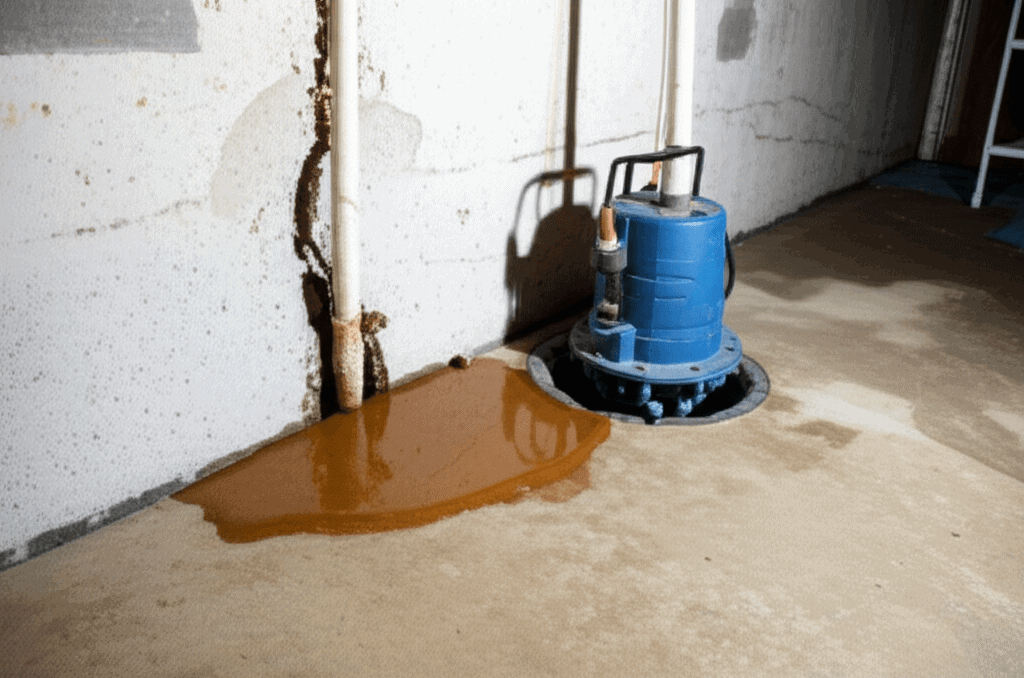
Basements and crawl spaces stay dry when the right gear shows up. A sump pump works like a superhero, fighting off water trying to sneak into the lowest spots of the house. When heavy rain or groundwater tries to flood in, the pump quickly kicks that water outside. This simple tool stops stains, mold, and big damage to the house’s structure. A reliable sump pump saves homes from billions of dollars in water damage every year. It acts like a secret shield guarding the house from nature’s worst tricks. Homeowners wanting to dodge pricey repairs and keep their spaces dry get the most from a sump pump and can face any storm without stress. Keep reading to discover how this small gadget changes home protection for good.
This article explains what sump pumps do and when to use them. I will cover how they operate, the common types available, signs you need a pump or a replacement, routine checks that keep a pump running, and what to expect if you call a pro for installation or repairs. Practical examples and simple tips will help you make choices for your situation.
What sump pumps do and the core components
At its simplest a sump pump removes water that collects in a pit near the foundation where a low point gathers seepage and runoff. The pump sits in the pit and pushes water out through a discharge pipe away from the house so water cannot flow back in. That single task reduces the risk of flooded floors, damaged finishes, and mildew forming on walls and belongings.
Key parts you will see on most systems include a basin or pit and a pump unit with a motor and impeller. A float switch or electronic sensor tells the pump when to run. A check valve on the discharge line prevents gravity from letting water return to the pit after a cycle. Optional extras include a battery backup, an alarm to warn of failure, and a pit cover that keeps pests and debris out.
How sump pumps work inside a drainage system
Sump pumps operate when water level in the pit reaches the activation point on a float or sensor. The pump turns on and moves the water through a pipe that must slope away from the home. When the water drops to a lower set point the pump stops. This simple on off cycle is what keeps the pit from overflowing during storms or when groundwater rises.
Run times vary depending on how much water enters the pit. During a heavy storm a pump might run almost continuously for hours. For steady groundwater the pump may cycle several times a day. Because of high use in certain seasons regular checks matter to avoid wear at peak times.
Types of sump pumps and the situations they suit
Choosing the right pump hinges on local groundwater conditions, how often you expect heavy rainfall, and whether you want a backup power option.
Submersible pumps
Submersible pumps sit inside the pit and are sealed against water. They are typically quieter because the pit and water absorb motor noise. They handle debris better and are a good match for most finished basements where sound and space matter.
Pedestal pumps
Pedestal pumps have the motor mounted above the pit with a long shaft to the impeller. The motor stays dry and tends to be easier to service. These pumps are common in unfinished basements or garages where space and noise are less of an issue.
There are other distinctions to consider such as manual versus automatic pumps and units with battery backup intended for power outage scenarios. If power loss happens frequently at your property a backup system can prevent damage during the most vulnerable times.
When to install a sump pump and signs you need one
Homes that commonly need sump pumps sit below grade or in flood prone neighborhoods. If you notice damp floors after heavy rain or a musty smell during spring when snow melts you are seeing signs that moisture reaches your foundation. Standing water on a basement floor after storms is a clear indicator that a pump is needed.
Other warning signs include outward leaning drywall near the floor, rising mold patches along the lower part of walls, and efflorescence which looks like white mineral deposits on concrete. Minor dampness can sometimes be handled with improved grading and gutters but repeated or heavy intrusion calls for a mechanical solution at the lowest point of the building.
Installation and maintenance tips for reliable operation
Installation matters for long term performance. The pit should be sized for the pump chosen to avoid short cycling where the pump turns on and off too frequently. A common pit diameter is about 18 inches and depth around 18 to 24 inches depending on floor height and the type of pump. Proper slope on the discharge line means water leaves by gravity and does not sit near the foundation.
Monthly and seasonal checks
- Test the pump by pouring water into the pit until the float activates and watch the unit cycle off at the lower level.
- Clear debris from the pit that can interfere with the float or inlet screen.
- Inspect the discharge line for obstructions and the check valve for proper function.
- Confirm power is connected and cords are in good condition and not riding in water.
Battery backup and alarm testing
If your system has a battery backup perform a simulated power cut to verify the pump runs on battery. Check the battery voltage periodically and replace it as recommended by the manufacturer. Test any alarms so you will get a notification if the pump stops working between routine inspections.
Common problems and simple troubleshooting steps
Pumps can fail for mechanical reasons or because of installation issues. Addressing small problems early prevents larger repairs.
- No power to the pump check the circuit breaker and the outlet
- Pump runs but does not remove water check for a stuck float or clogged intake
- Pump cycles rapidly check for improper pit size or a float that hits the side and trips repeatedly
- Motor hums but does not pump this can indicate a failed motor or a jammed impeller
- Water returns to the pit check the check valve and the discharge line for cracks or poor slope
For quick field checks shut off power before touching components. Cleaning the inlet screen and confirming the float moves freely often solves many common issues without parts replacement.
Choosing a professional for installation and repairs
Hiring a qualified technician matters when the pit needs resizing electrical connections are required or when a backup system is desired. A pro will size the pump for expected inflow based on local rainfall patterns and the house drainage plan. They can recommend a model with the motor horsepower and discharge capacity that matches your needs.
Costs vary with equipment and labor. Typical residential unit prices commonly range from one hundred fifty to seven hundred dollars and installation fees can run from a few hundred to over one thousand dollars depending on complexity. If a homeowner prefers a full warranty and a tidy job consider an experienced contractor who offers service agreements.
When evaluating providers read reviews ask about emergency response for storms and confirm licensing and insurance. A local firm that handles both repair and routine checks can reduce downtime and keep a system operating when it matters most. For area homeowners looking for reliable service here is a local resource you can review to compare options and schedule care Zoom Drain sump pump service and repairs.
Real world scenarios and decision points
Consider two quick examples. A homeowner in a neighborhood with clay soils and poor surface drainage noticed water every spring along the basement perimeter. After installing a submersible pump with a battery backup the annual clean up vanished and the resale value of the home improved. Another homeowner had chronic short cycling because the pit was too small and the pump was oversized. Replacing the pump and enlarging the pit solved the cycling and reduced wear.
When deciding what to buy do a simple exercise. Observe how water enters your space is it slow and steady or heavy during storms how high does water rise in the pit and how often does power go out locally. Those answers guide choices about pump horsepower pit size and whether a backup matters.
Maintenance plans do not have to be complex. Schedule a full check once a year before the wet season and perform a simple monthly test during heavy weather months. Keep a small tool kit and a spare float switch on hand for quick fixes. Keep records of service visits and the age of components to plan replacement before failure.
The bottom line sums up the role of a sump pump and what to do next. A pump removes ground and storm water from the lowest point of a home so water cannot harm floors foundations or stored items. Install one if you have repeated dampness or standing water after storms or if your lot sits below surrounding grades. Choose a model type that fits your space and usage patterns and include a backup option when power outages are likely.
If you need help deciding or want a repair or installation estimate consider contacting a local service to inspect your basement or crawl space. A professional will measure pit dimensions review discharge routing and explain choices for controls and backups. Taking action now reduces the risk of damage later and can save money in cleanup and repairs.