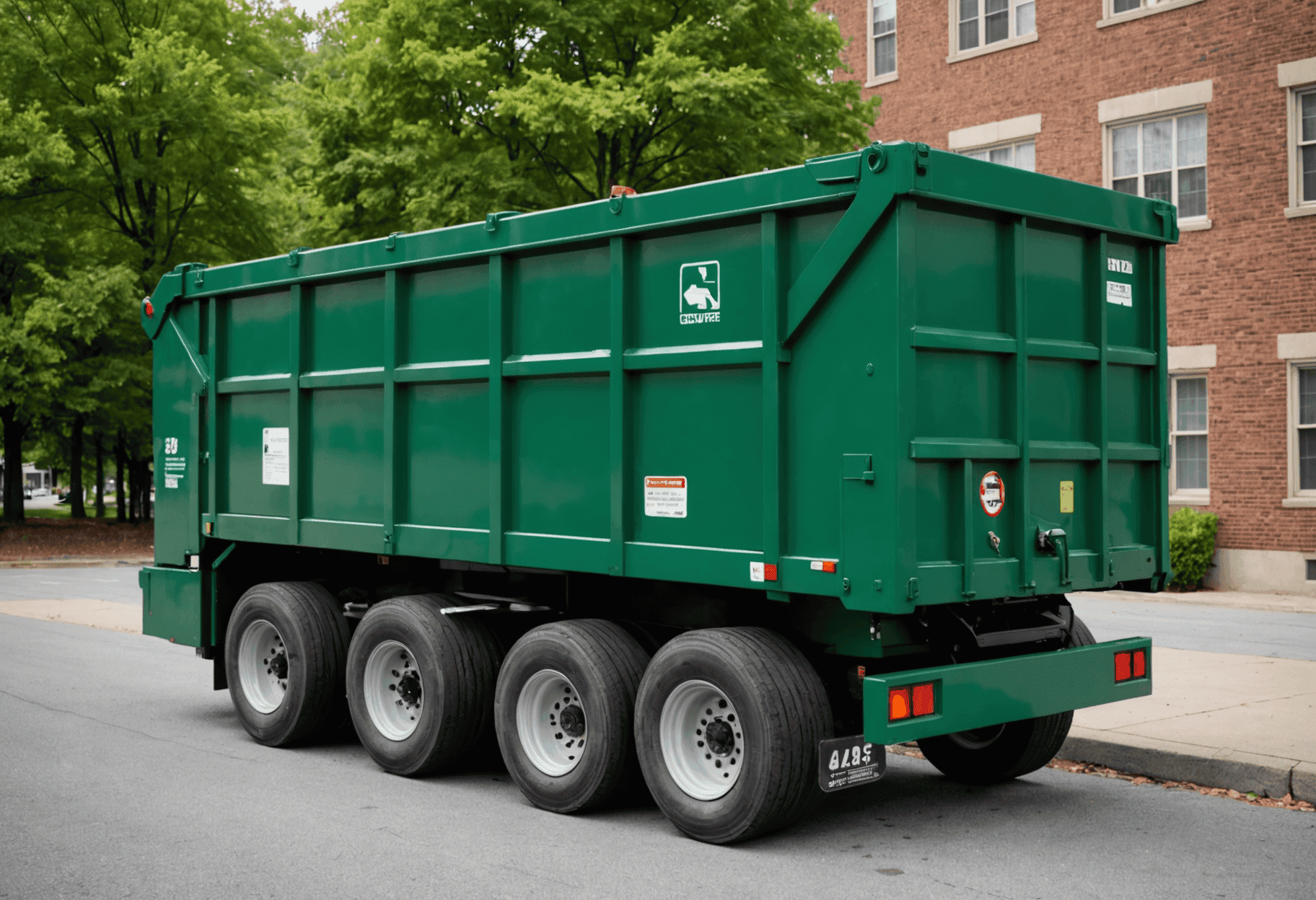
Choosing the right dumpster size decides if your project flows smooth or turns into a big mess. Pick one too small, and you’ll make extra trips that waste time and money—no one wants that hassle. Get one too big, and you pay for a huge space you don’t need, like renting a mansion when a cozy room would work. Lots of sizes exist, but the perfect fit saves cash and stress. Wrong choices can sneak in surprise fees that add up to hundreds of dollars. Use simple tricks to find the right dumpster, making your job cheaper and easier. Once these tips hit home, dealing with waste feels like a breeze—and your wallet will thank you. Keep going to find the easy trick that turns the whole thing around.
Making an informed decision about dumpster size not only streamlines the waste disposal process but also ensures compliance with local regulations and safety standards. In this guide, we’ll explore key considerations, practical tips, and expert advice to help you confidently choose the best dumpster size for your project. Whether you’re a homeowner tackling a modest cleanup or a contractor managing a large-scale demolition, knowing your options is the first step toward a smoother, more efficient waste management experience.
Understanding Common Dumpster Sizes and Their Uses
Standard Dumpster Sizes Explained
Dumpsters come in a variety of sizes, typically measured in cubic yards. The most common sizes include 10, 15, 20, 30, and 40 cubic yards. Here’s a quick overview of what each size is best suited for:
- 10-yard dumpster: Ideal for small home projects such as garage cleanouts, minor landscaping, or small renovations.
- 15-yard dumpster: Suitable for medium-sized remodels, kitchen or bathroom renovations, or small roofing projects.
- 20-yard dumpster: Perfect for larger home upgrades, siding replacements, or multiple room cleanouts.
- 30-yard dumpster: Designed for major construction projects, large-scale roofing, or multiple-room demolitions.
- 40-yard dumpster: Best for industrial projects, commercial demolitions, or large construction sites.
Factors to Consider When Choosing Dumpster Size
Project Scope and Material Volume
The size of your project and the amount of debris generated are primary factors in your decision. For example, a small bathroom remodel may only need a 10-yard container, while a full home renovation may require a 30 or 40-yard dumpster. Quantify your expected waste by estimating the volume of junk, debris, and materials you’ll produce.
Type of Debris and Material Density
Different materials occupy varying space. Light debris like packaging or insulation takes up more volume compared to dense materials such as bricks or concrete. Understanding material density helps determine whether a smaller or larger dumpster is better suited. For heavy material, opting for a container with a stronger weight limit is critical.
Practical Tips for Selecting the Perfect Dumpster Size
- Estimate conservatively: It’s better to choose a slightly larger size than underestimate. Overloading can result in extra charges and safety hazards.
- Discuss with professionals: Consult with waste management experts or rental companies—they often provide guidance based on your specific project.
- Consider future needs: If you’re planning multiple projects or an ongoing renovation, selecting a larger size from the start may save you time and costs down the line.
- Avoid overpaying: Remember, larger dumpsters cost more. Balance your needs with your budget to make an informed choice.
Additional Considerations for Safe and Effective Dumpster Use
Weight Limits and Material Restrictions
Every dumpster has a maximum weight capacity to prevent accidents or damage. Heavy materials like concrete and dirt can quickly reach weight limits, so verify these specifications before filling your dumpster. Also, be aware of prohibited items, such as hazardous waste, electronics, or certain chemicals, to avoid penalties and safety issues.
Permits and Local Regulations
Depending on your location, you may require permits to place a dumpster on or near public property. Check with local authorities or your waste management company to understand permit requirements and ensure compliance. Planning ahead can prevent unexpected delays and fines.
When to Seek Professional Advice and Assistance
If your project involves complex waste types, substantial debris, or tight timelines, consulting with a waste disposal specialist is wise. They can recommend the optimal dumpster size, handle permits, and arrange for timely pickup and drop-off. For residents and contractors in the Cape Coral area, considering services like Dumpster rental Cape Coral can simplify your planning process and provide expert support tailored to your needs.
Conclusion: Making the Most of Your Dumpster Investment
Selecting the right dumpster size is a crucial step in managing waste effectively and efficiently. By understanding the scope of your project, estimating debris volume, considering material density, and consulting with professionals when needed, you can ensure a smooth process that saves time and money. Remember, choosing a dumpster that fits your project will prevent the headaches of overloading, multiple trips, and unexpected fees.
Ultimately, careful planning and knowledge about your options empower you to handle waste removal confidently. Whether you’re cleaning out your garage or overseeing a major construction site, taking the time to choose appropriately sized containers will lead to better results and fewer surprises. If you’re unsure, reaching out to local experts or waste disposal companies can help you make the best choice for your specific project requirements. With the right dumpster in place, you’ll keep your project moving forward without unnecessary delays.