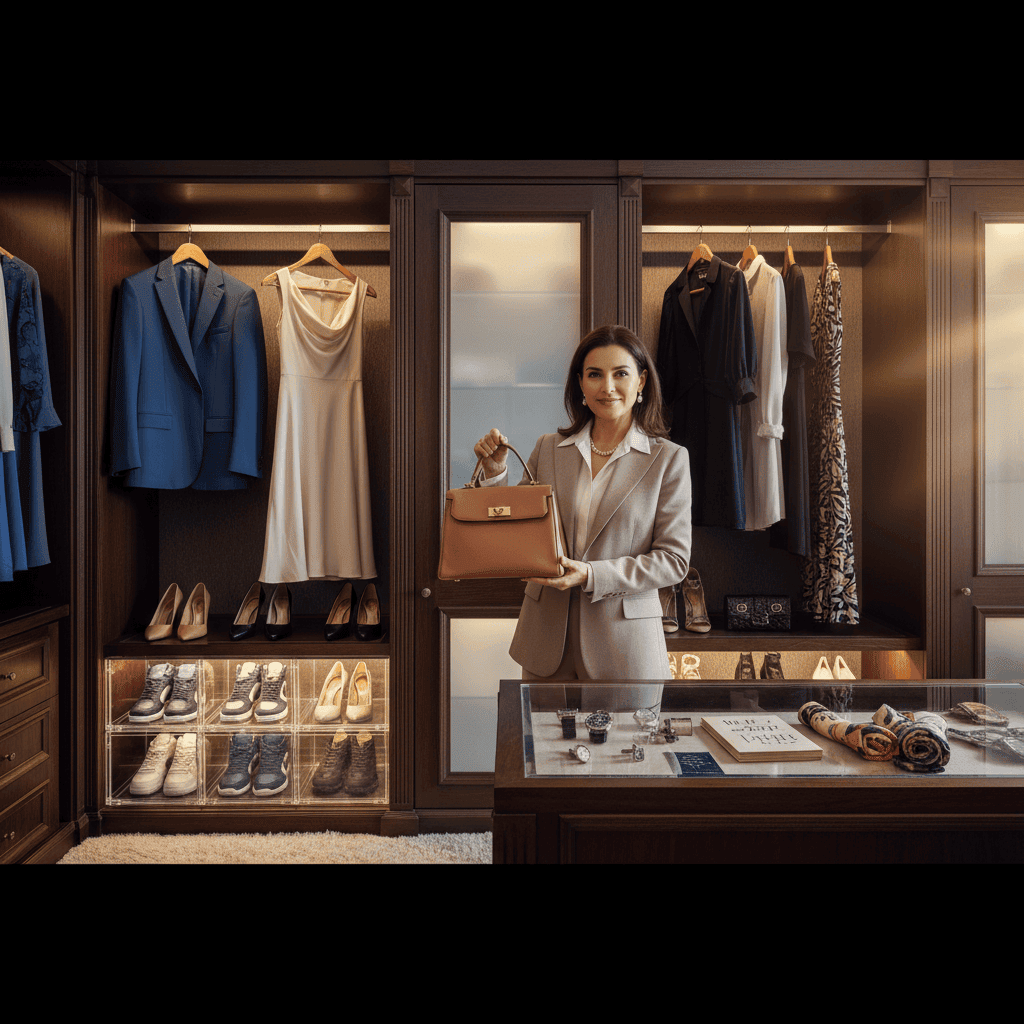
Investing in designer clothing feels like a big gamble. The question hits: is the price really worth it compared to cheaper, mass-market clothes? Here’s the deal—some pieces actually hold value longer, fit better, and make you stand out in a crowd. Imagine buying a jacket that not only feels like it was made just for you but lasts through years of wear without losing style. Understanding how to pick these special items smartly turns buying into a strategy, not a splurge. This approach works best for anyone who wants to look sharp without wasting money. Keep reading to unlock the secret sauce that turns expensive clothes into a smart investment you’ll love showing off.
Whether you value longevity, design integrity, or resale potential, understanding what designer clothing brings to the table helps you spend with confidence. For a focused look at reasons people choose high end labels and what to expect from them see this resource Salon Prive Magazine which provides context and examples you can use when planning purchases.
Designer Clothing Investment What Are The Benefits for Your Wardrobe
When evaluating whether to invest in designer clothing, think in terms of total use rather than single wear. A well chosen designer item can form the backbone of multiple outfits, reduce the need to buy replacements, and contribute to a coherent personal style. The term investment in this context means purchasing with intention, aiming for pieces that remain relevant for several seasons.
Key benefits for the wardrobe include longer lifespan, consistent fit, and distinctive details. These three factors often mean fewer impulse purchases later on. For someone who prefers a compact, versatile wardrobe, a handful of carefully selected pieces from respected labels can outperform a larger quantity of inexpensive items in both looks and longevity.
Long Term Value and Resale Potential of Designer Pieces
One practical advantage of designer clothing is resale value. Well maintained jackets, bags, and shoes from prominent brands can retain a significant portion of their original price when sold through reputable secondhand channels. This is particularly true for classic silhouettes and limited edition pieces.
Resale Data and Market Trends
Recent market reports show demand for pre owned luxury goods has continued to grow. Consumers often seek pieces in very good condition from trusted names. Items with minimal visible wear, original packaging, and proof of authenticity typically command the highest prices.
Real Examples of Resale Outcomes
Example one a wool coat from a recognized house bought five years ago and maintained well may resell for half its original price. Example two a timeless leather handbag with minor patina can sell for 60 to 70 percent depending on brand and rarity. These examples highlight that thoughtful maintenance and preserving original tags matter.
Material Quality and Construction that Justify Designer Price
Designer labels tend to use higher quality fabrics and stronger construction methods. Look for full linings, reinforced seams, and natural fibers with good hand feel. These elements translate into garments that look better after repeated wear and washing.
High grade wool, linen with a tight weave, and vegetable tanned leather age well and often improve in appearance over time. The initial cost reflects both the raw materials and the labor involved in cutting and finishing a garment with care.
Fit, Design and Unique Details that Set Designer Clothing Apart
Fit is one of the most immediate differences a designer piece can offer. Many labels invest in patterns that flatter a range of body types while preserving a distinct silhouette. Small design choices such as unexpected lining prints, hand stitched hems, and discrete hardware make apparel feel special.
Those unique details are not only aesthetic. They influence how a piece sits on the body and how it moves. When a garment fits properly and has thoughtful shaping, it requires less effort to look polished and feels comfortable throughout the day.
Styling Strategy How to Make Designer Pieces Work Every Day
To get maximum value, incorporate designer items into everyday outfits rather than keeping them solely for special occasions. Pair a quality blazer with a simple knit and everyday jeans for a balanced look that reads intentional without appearing overdressed.
- Start with neutrals use designer accessories to add character
- Mix price points pair an investment coat with affordable basic shirts
- Rotate regularly prevent overuse and extend lifespan
These tactics reduce wear on any single item and spread value across your entire wardrobe. They also help you avoid the trap of saving pieces for a hypothetical perfect event that may never arrive.
Sustainability and Ethical Factors that Add Value
Purchasing fewer, better made garments can result in a smaller environmental footprint compared with frequent low cost buys. Many designer labels now report sourcing initiatives and factory standards that aim to improve material traceability and worker conditions. When a brand offers clear proof of its practices and material origins, that transparency can be another reason to prefer a higher price point.
Keep in mind that not every high price equals responsible production. Research brand policies and read independent reports when social and environmental concerns guide your shopping choices.
Practical Tips for Buying Designer Items Wisely
Approach purchases with a checklist mindset. This helps you avoid impulse decisions and select pieces that align with your lifestyle and existing wardrobe.
Research and Authentication
Before you buy learn the key signs of authenticity for the label you are interested in. Check stitching patterns, hardware stamps, and serial numbers where applicable. When buying secondhand, use trusted platforms and request clear photos or provenance. A small investment in verification can prevent a costly mistake.
Care and Maintenance
Proper care extends the life of designer garments. Follow label instructions, use gentle detergents for delicate fibers, and treat stains promptly. Store items on suitable hangers, rotate seasonal pieces, and consider professional repairs to keep garments in strong condition. A professional seam repair often costs a fraction of the price of replacing an expensive jacket.
How to Spot High Value Among Designer Options
Not every designer piece holds the same value. To make smart choices focus on three practical indicators. First the design should be versatile enough to work with multiple outfits. Second the fabric should have a quality feel and visible density. Third the construction should show care in seams and finishes.
Avoid buying solely for brand name. Instead ask whether the silhouette complements your frame and whether the color palette plays well with existing items. Think of each purchase as filling a gap in your wardrobe rather than adding noise.
Budgeting and Timing Your Designer Purchases
Set a realistic budget and plan purchases around key retail windows. End of season sales and trunk shows can offer opportunities to acquire sought after labels at lower prices. If you are patient you can assemble an investment driven wardrobe over several seasons without stretching finances.
Consider allocation of funds in tiers. Reserve a larger portion for outerwear and shoes which tend to show wear more slowly, and allocate smaller amounts for seasonal items that rotate more frequently.
Conclusion
Choosing to invest in designer clothing offers multiple benefits when approached thoughtfully. You can expect longer lasting garments, better fit and finishes, and potential resale value that softens the effective cost. Quality fabrics and superior construction mean items remain usable and attractive far beyond the typical lifespan of lower priced alternatives. Using a strategy of careful selection, proper maintenance, and mindful rotation helps you realize the full value of higher priced pieces.
When shopping keep three priorities in mind fit, material, and versatility. Spend time researching brands and authenticate rare buys. If social or environmental concerns matter to you research production practices before you commit. Over time a small collection of well chosen designer pieces can reduce closet clutter, simplify dressing decisions, and offer a clear return on your investment through extended use and stronger resale outcomes.
If you are ready to make intentional purchases start by auditing your current wardrobe to identify gaps. Set a budget and list the two or three items that will make the biggest difference. Test one purchase first then build from that foundation. Take action today by noting which piece matters most and plan the next purchase with the guidance in this article. Your closet will thank you and your future self will appreciate the thoughtful approach.