Living in Devon offers breathtaking landscapes and a wonderful quality of life. But as beautiful as our county is, it also faces increasing challenges from unpredictable weather. Heavy rainfall and coastal surges can quickly turn picturesque scenes into serious flood threats for homeowners. I understand the anxiety that comes with these risks because I have seen firsthand how devastating water damage can be.
Protecting your home from flood damage is not just about reacting when a storm hits. It means taking proactive steps to build resilience and prepare for the worst. My goal with this article is to share practical insights and actionable advice. We want to help you safeguard your Devon home and find peace of mind against the waters.
We will explore various strategies from understanding your property’s specific risks to implementing effective prevention measures. I believe every homeowner in Devon deserves to feel secure. By taking thoughtful action, you can significantly reduce the impact of potential flooding on your property and your family.
Understanding Your Devon Home’s Flood Risk
Before any protective measures can be truly effective, you must first understand the specific flood risks your home faces. Devon’s diverse geography means flood threats vary greatly from one area to another. Some properties might be near rivers or streams prone to overflowing. Others could be close to the coast and vulnerable to storm surges. There are also localized surface water flooding issues after heavy downpours.
I always advise homeowners to start by checking official flood risk maps. These resources provide valuable data on historical flood events and potential future hazards. Knowing if your home is in a high-risk area affects the kind of preparations you should prioritize. This initial assessment forms the foundation of any robust flood defense strategy.
It is also important to consider your property’s elevation and immediate surroundings. Even if you are not directly next to a river, a sloping garden or inadequate drainage systems can direct water towards your home. Understanding these factors helps you tailor your prevention efforts effectively. You can learn more about assessing your flood risk and see how it works by consulting local guides and resources.
Assessing Local Water Sources and Drainage
I encourage you to walk around your property during heavy rain. Observe where water tends to collect. Look at the flow patterns around your house. Blocked drains or poorly maintained gutters are common culprits for localized flooding. Sometimes, simple fixes here can make a big difference.
Consider the impact of nearby streams or ditches. Are they regularly maintained by local authorities or landowners. An overflowing ditch can quickly overwhelm a property that appears to be at low risk. I always recommend being aware of these smaller watercourses, as they can sometimes pose a greater immediate threat than larger rivers during flash floods.
Essential Exterior Flood Prevention Measures
Once you understand your risks, you can implement exterior defenses. These are often the first line of protection for your Devon home. I always recommend a layered approach. This means combining several techniques to create a strong barrier against floodwaters.
Simple landscaping changes can redirect water away from your foundations. Creating gentle slopes or installing French drains helps guide runoff to safer areas. I have seen many homes benefit significantly from these straightforward adjustments. They can be very effective in preventing water from pooling around the house perimeter.
Installing Flood Barriers and Gates
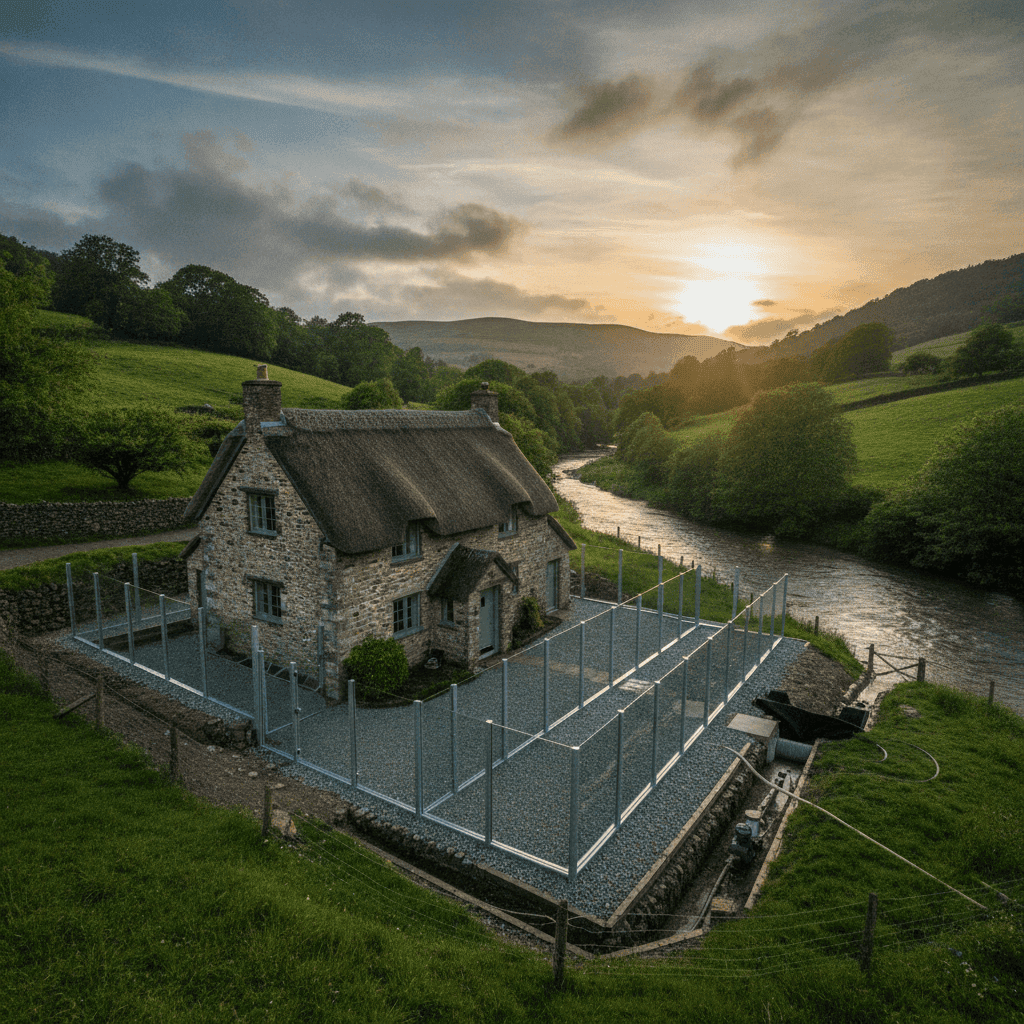
For homes in higher risk areas, installing physical flood barriers is a smart investment. These can include temporary barriers that you deploy before a flood. They can also include permanent flood gates for doorways and other openings. We have options ranging from sandbags and water-filled barriers to more sophisticated systems. They can offer considerable protection during a flood event.
I suggest having a supply of sandbags or readily deployable flood sacks on hand if you live in a flood-prone area. Knowing how to properly place them is key to their effectiveness. Remember that even a small amount of water entering your home can cause extensive damage. So these barriers, even if they seem minor, play a very important role.
Maintaining Gutters and Downspouts
I cannot stress enough the importance of clean and functional gutters. Clogged gutters overflow, and water then pours down external walls and saturates foundations. This is a common cause of basement or crawl space flooding. We should make sure your downspouts direct water at least several feet away from your home’s foundation.
Consider installing gutter guards to minimize debris buildup. And regularly check that your downspouts are not cracked or disconnected. Small maintenance tasks like these prevent bigger problems later. I have seen many homeowners save thousands in repair costs by simply keeping their gutters clear and flowing freely.
Protecting Your Home’s Interior from Water Damage
Even with strong exterior defenses, some water might still get in during severe floods. So interior protection is crucial for minimizing damage. I focus on practical steps you can take to safeguard belongings and reduce structural harm inside your Devon home.
Elevating appliances and valuable possessions off the floor is a straightforward but effective strategy. Things like washing machines dryers and water heaters should be on concrete blocks or sturdy platforms if they are in a basement or ground-level utility room. This small elevation can prevent irreparable damage. It saves you from costly replacements.
Waterproof Basements and Crawl Spaces
Basements and crawl spaces are particularly vulnerable to flooding. I recommend sealing any cracks in your foundation walls and floors with waterproof sealants. Applying waterproof paint to interior walls can also add an extra layer of defense. These treatments create a barrier that helps keep water out. They reduce moisture seepage.
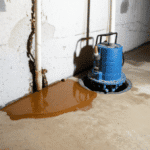
Another smart move is installing a sump pump in your basement. A sump pump automatically removes water that collects in a sump basin. It pumps it away from your home’s foundation. I often advise clients to consider a battery backup for their sump pump. This ensures it still works even if the power goes out during a storm.
Choosing Flood-Resistant Materials
When renovating or repairing, I encourage you to think about flood-resistant materials. Instead of carpet in basements, consider tile or concrete flooring. These materials are much easier to clean and dry out after water exposure. They prevent mold growth.
Also look for pressure-treated wood or fiberglass doors. These materials are more durable and less susceptible to water absorption and warping than standard wood products. I know these choices can cost a bit more upfront. But they offer significant long-term savings and peace of mind if a flood ever occurs.
Creating a Comprehensive Flood Emergency Plan
No matter how well you prepare, emergencies can still happen. So having a clear flood emergency plan is just as important as physical defenses. I believe every household in Devon needs a plan. This plan will tell everyone what to do when floodwaters threaten.
Your plan should include a designated meeting point for family members. This is vital if you need to evacuate. It should also list emergency contact numbers for local authorities your insurance company and trusted neighbors. I always suggest keeping this information in an easily accessible waterproof bag.
Assembling an Emergency Kit
I recommend preparing a grab-and-go emergency kit. This kit should contain essential items you might need during and after a flood. Think about non-perishable food items bottled water a first-aid kit and any necessary medications. We also need to remember a battery-powered radio and flashlight with extra batteries.
Include important documents like insurance policies identification and bank details in waterproof bags within your kit. I tell people to store this kit in an easily reachable location. This makes it simple to grab if you have to leave quickly. Regular checks on the kit’s contents ensure everything is fresh and ready.
Understanding Evacuation Routes and Warnings
I urge all Devon residents to familiarize themselves with local evacuation routes. Knowing these routes in advance saves precious time during an emergency. Pay attention to local weather alerts and flood warnings. These early warnings are your best tool for timely action.
Signing up for local emergency notification systems can provide critical updates directly to your phone. I stress that acting early on these warnings can mean the difference between minor inconvenience and serious danger. Never wait until it is too late to move to safety.
Navigating Flood Insurance and Financial Preparedness
Even with the best preparations, floods can still cause damage. That is why having the right flood insurance is a vital part of safeguarding your Devon home. I often hear people assume their standard home insurance covers flood damage. But this is usually not the case.
Flood insurance is a separate policy. It protects your property and belongings from losses caused by rising water. I strongly advise all homeowners in Devon to review their current insurance policies. Make sure you understand exactly what is covered and what is not. We should get clear on any exclusions or limitations.
Understanding Flood Insurance Policies
I encourage you to speak with your insurance provider about flood insurance options. They can help you determine the coverage limits you need. Consider the cost of rebuilding your home and replacing your contents. Do not just rely on the market value of your property. I always emphasize that having adequate coverage provides financial security during a very stressful time.
Be aware that there is often a waiting period before flood insurance policies become active. This means you cannot buy a policy when a flood is already imminent. Planning ahead is key. I recommend obtaining coverage well in advance of any potential flood season.
Building a Financial Safety Net
Beyond insurance, I also suggest building a small financial safety net specifically for emergencies. Unexpected expenses can arise after a flood. These costs might not be fully covered by insurance or might require immediate payment. Having an emergency fund can ease this burden. It allows you to focus on recovery without added financial stress.
I advise setting aside a small amount regularly if possible. This fund can cover things like temporary accommodation, transportation costs or deductibles. It offers a crucial buffer during difficult times. This financial preparation is just as important as physical flood defenses for long-term resilience.
Conclusion: Building a Resilient Devon Home for the Future
Safeguarding your Devon home from flood damage requires a proactive and thoughtful approach. I have outlined many steps you can take from understanding your unique risks and implementing exterior barriers to protecting your home’s interior and preparing an emergency plan. Every action you take, no matter how small, contributes to a more resilient home and a more secure future for your family. We cannot control the weather, but we can control our preparedness. By investing time and effort into these prevention strategies, you are not just protecting bricks and mortar, but also your peace of mind and the well-being of your loved ones. I urge you to start today by assessing your flood risk and talking to local experts. Let us work together to ensure Devon remains a safe and beautiful place for all of us, even in the face of changing climate challenges. Your home is your sanctuary, and it deserves the strongest possible protection against the elements.